
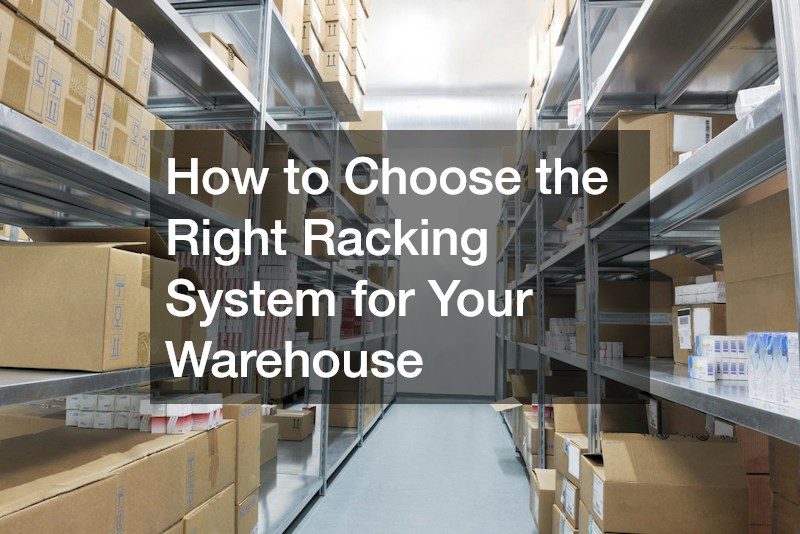
Choosing the right racking system for your warehouse is crucial for efficiently managing space, improving inventory access, and optimizing overall operations. We’ll explain the key considerations and solutions for selecting the most suitable racking system philippines for your needs.
What are the Types of Warehouse Racking Systems?
Warehouse racking systems are designed to store products in an organized and efficient manner. Selective racking is one of the most common types, providing easy access to each pallet and ensuring versatility.
Double-deep racking, although similar to selective racking, doubles the storage efficiency by placing two pallets deep, influencing pick and put-away speeds.
Drive-in racking allows forklifts to drive directly into a row, making it ideal for high-density storage of homogeneous products. Drive-thru racking, on the other hand, offers access from both ends but requires careful management to ensure safety and order. Cantilever racking is perfect for long, bulky items like pipes or timber, as it offers open access for forklifts to maneuver.
Pallet flow racking uses gravity to automatically move pallets to the front of the rack, optimizing pick face replenishment. This system is particularly beneficial for first-in, first-out (FIFO) inventory management, offering excellent product turnover. Understanding these systems can help businesses optimize space and enhance warehouse efficiency.
How to Assess the Size and Layout of Your Warehouse?
The size and layout of your warehouse significantly impact the choice of racking system philippines. Evaluating the warehouse dimensions helps determine the potential footprint and height utilization of the racking systems. Floor load capacity is also crucial, especially for heavy-duty racking, to ensure safety and structural integrity.
When assessing storage needs, consider the types of inventory, volume, and the frequency of moving goods in and out. Planning for future expansion is essential to avoid unnecessary rework or overhauling of racking systems as business grows. Aisle widths and accessibility are key factors in ensuring smooth operations, particularly for high-speed or frequent inventory retrieval.
Proper assessment allows for better decision-making in optimizing the use of space and improving workflow efficiency. By thoroughly understanding the layout and future requirements, warehouses can be set up to handle current and future demands effectively. This strategic planning ensures long-term operational success and cost-saving benefits.
What Safety Features Should Be Considered in Racking Systems?
Safety is a paramount concern in warehouse operations, and racking systems must be designed to uphold safety standards. Load capacity and limits are vital aspects to prevent overloading and potential collapse of racks. Ensuring seismic and structural integrity adds another layer of protection, especially in earthquake-prone areas.
Fire safety compliance is crucial and often dictated by local regulations, requiring features like sprinkler systems and proper spacing. Maintenance and inspection protocols should be established to identify and address potential risks before they become serious issues. Protecting against impact and damage by using rack guards and barriers further enhances safety.
Regular training of personnel in safety protocols and proper handling techniques is also imperative. Emphasizing a culture of safety not only protects employees but also minimizes damage and loss. Investing in safety features and practices is a fundamental part of managing a well-organized and secure warehouse environment.
How to Optimize Racking Systems for Different Types of Inventory?
Different types of inventory pose unique challenges, and optimizing racking systems can address these variations efficiently. For storage of perishable goods, climate-controlled racking solutions ensure goods remain fresh and comply with health regulations. Bulky items require robust and open-access racking like cantilever systems to accommodate irregular shapes.
Fast-moving inventory benefits from dynamic systems like pallet flow racking that streamline access and retrieval processes. Supporting heavy load items necessitates systems that can withstand high weight capacities without compromising safety. Facilitating efficient order picking and packing often involves incorporating electronic data interchange and automation for speed and accuracy.
Understanding the specific characteristics of the inventory enables warehouse managers to choose and customize the appropriate racking systems. This targeted approach maximizes storage potential while ensuring that operations remain efficient and safe. Ultimately, an optimized warehouse fosters increased productivity and improved service levels.
Selecting the right racking system requires thorough evaluation of your warehouse’s specific needs, space, inventory type, safety, and budget considerations. By understanding the different types of racking systems and their functionalities, you can make informed decisions that enhance your warehouse’s efficiency and productivity.