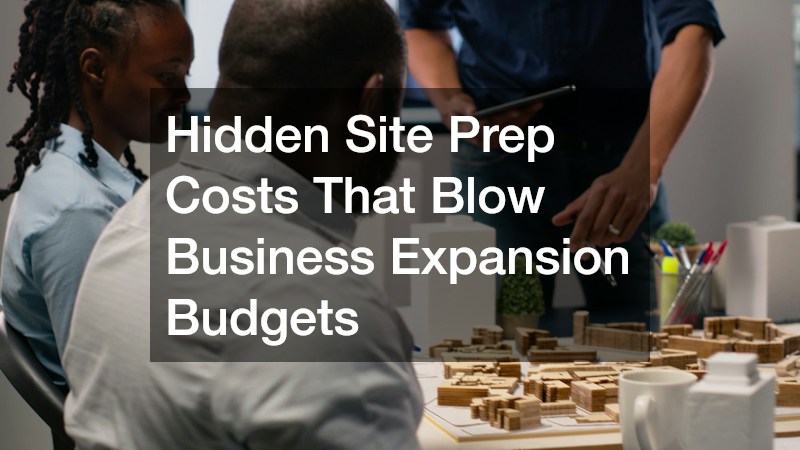
Expanding a business onto a new lot or renovating an existing property sounds straightforward until the excavators show up and the invoices start rolling in. Most budgets account for the visible work, like the building itself, but they overlook the ground-level work that makes construction possible in the first place. Site preparation is where costs quietly multiply, catching property owners off guard with expenses they never saw in the original estimate.
Understanding these hidden line items before you break ground can save you from a budget that collapses halfway through the project.
Grading and Earthwork That Costs More Than Expected
Before any foundation goes in, the land itself has to be reshaped, and this step almost always costs more than first-time property owners anticipate. Uneven terrain, poor drainage patterns, or soil that shifts after the first heavy rain can force contractors to bring in additional equipment and labor hours that were never part of the original quote. A grader blade is often the tool that determines how smoothly this phase goes, since it levels the surface and creates the slope needed for proper water runoff.
The problem is that most property owners never see the land in its raw state long enough to judge how much grading it actually needs. A site that looks flat to the untrained eye can have several inches of elevation difference across a lot, which translates directly into added machine time and cost.
- Extra grading passes needed for uneven or compacted soil
- Additional fill dirt or gravel to correct low spots
- Re-grading after unexpected rain delays
- Equipment rental extending beyond the original timeline
Debris Removal and Waste Hauling Fees
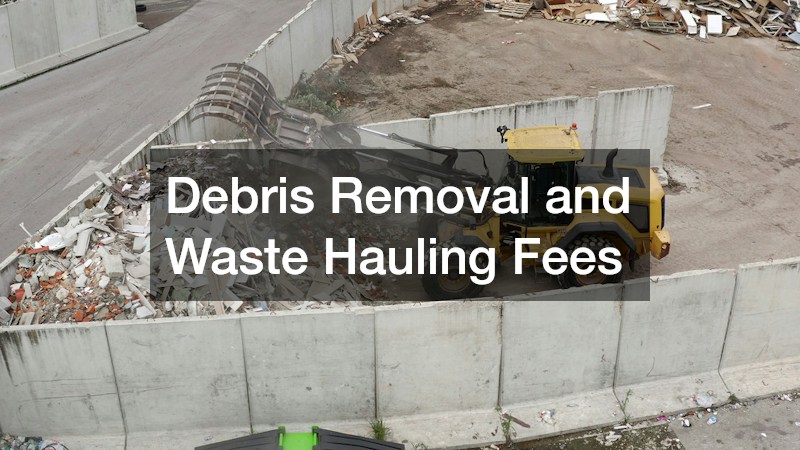
Clearing a site rarely means just removing a few trees or old pavement. Demolition debris, packaging waste from delivered materials, and general construction trash pile up fast, and hauling it away is rarely included in the base estimate. Most contractors quote site prep assuming a “clean” lot, leaving the actual disposal costs to surface later as change orders.
Renting roll off dumpsters is usually the most cost-effective way to manage this, but property owners are often surprised by how many hauls a mid-size project requires. A single 30-yard dumpster might run $400 to $700 per pull depending on region and landfill tipping fees, and a mid-size commercial buildout can easily need six to ten swaps over the course of demolition and clearing. Weight limits add another wrinkle: concrete, brick, and soil are heavy enough that a single load can trigger overage charges if the hauler estimates by volume rather than material type.
Beyond standard trash, certain waste streams cost extra to handle. Treated wood, asbestos-containing materials, and old paint or solvents often require licensed disposal rather than a standard roll off, adding both time and specialized hauling fees. Budgeting a contingency of 10-15% above the initial hauling quote is a reasonable safeguard against these surprises, especially on sites with unknown subsurface conditions or aging structures.
The size and number of dumpsters needed depends heavily on what’s being cleared, whether it’s old concrete, landscaping debris, or leftover packaging from new equipment installations. A 20-yard dumpster might handle a small interior cleanout, but demolition debris from a mid-size building often requires several 30- or 40-yard containers, and mixed loads with concrete or asphalt can trigger weight surcharges that dwarf the base rental fee.
Haulers also charge differently depending on material type. Construction debris, yard waste, and general trash frequently require separate containers because many landfills and recycling centers won’t accept mixed loads, which means budgeting for multiple pickups rather than a single blanket disposal cost.
Underestimating this need means paying rush fees for last-minute waste pickups later in the project. Same-day or next-day hauling requests can cost two to three times the standard rate, and if a dumpster overflows before a scheduled pickup, contractors may halt work entirely until the site is cleared, adding delay costs on top of the disposal fees themselves.
- Multiple dumpster swaps for larger demolition projects, often billed at $150-$400 per haul once the container fills faster than expected
- Weight limit overage charges, typically $50-$100 per ton beyond the contracted threshold, which adds up fast with concrete or debris-heavy loads
- Separate bins required for concrete, metal, or hazardous waste, each carrying its own rental and disposal rate
- Hazardous materials like asbestos, lead paint, or contaminated soil requiring licensed handlers and certified disposal sites, not standard haulers
- Delivery and pickup scheduling fees during peak seasons, when contractors juggle multiple job sites, and demand outpaces available trucks
- Rush fees for last-minute swaps when a full container halts work, and crews are left waiting
Utility and Infrastructure Assessments Before Construction
Before any structure goes up, underground utilities need to be located, tested, and sometimes upgraded to handle new demand. This is one of the most commonly underestimated costs because it happens before construction is even visible above ground. Corrosion testing on existing pipes and metal infrastructure is a step many property owners don’t think to budget for, yet it’s often required to confirm that old lines can handle new loads without failing.
Skipping this assessment can lead to far more expensive problems once the building is finished and utilities are already buried under new pavement or foundations. Catching corrosion issues early, while the site is still open, is dramatically cheaper than digging everything back up later.
- Locating and mapping existing underground lines
- Testing pipe integrity before connecting new systems
- Identifying aging infrastructure that needs replacement
- Coordinating with utility providers for inspection approval
Perimeter Security and Boundary Fencing Needs
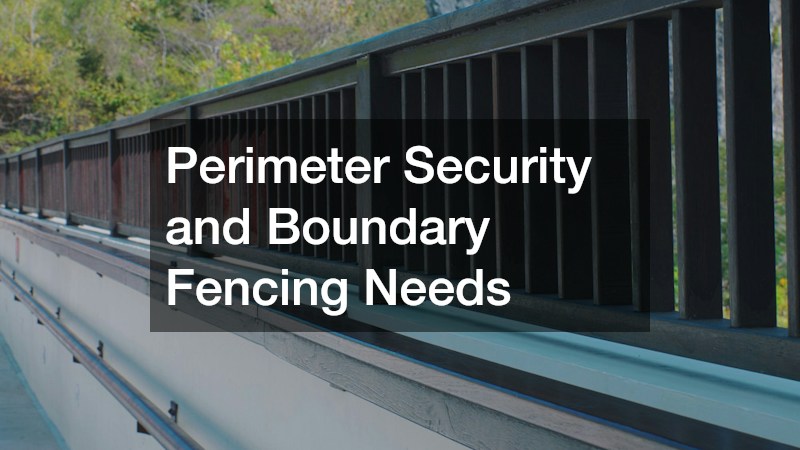
Once a site is cleared and grading begins, it needs to be secured, both for liability reasons and to keep the property protected from theft or unauthorized access during the build. Many property owners assume fencing is a minor afterthought, but installing vinyl fences around an active construction zone adds a real cost that’s frequently left out of initial budgets. This is especially true for expansions near residential areas, where local code may require a visual barrier during construction.
The type of fencing matters too, since temporary chain-link works for short projects but longer expansions often justify a more durable option that can later serve as permanent property boundary marking. Planning this cost in from the start avoids a scramble to secure the site after work has already begun.
- Temporary security fencing during active construction
- Permanent boundary fencing once the project nears completion
- Local permitting requirements for construction site barriers
- Additional gates or access points for equipment delivery
Temporary Structures for Storage and Operations
Expansion projects often need a place to store materials, equipment, or even run limited operations while permanent construction is underway. Many property owners don’t realize how much temporary structures add to the budget until they’re already needed. Hoop buildings have become a popular stopgap solution because they go up quickly and provide covered space without the cost of a permanent structure.
These temporary buildings aren’t free, though, and rental or purchase costs, plus the labor to install and later remove them, need to be factored in separately from the main construction budget. Businesses that need to keep operating during expansion often underestimate how long they’ll need this temporary space, which extends the rental period and the cost.
- Short-term rental versus purchase cost comparison
- Foundation or anchoring requirements for stability
- Insurance considerations for temporary structures
- Removal or repurposing costs once construction finishes
Structural Material Choices That Affect the Budget

The materials chosen for flooring, decking, and structural support during expansion can shift the budget significantly depending on what the site conditions demand. Composite metal decking is frequently specified for projects that need durability without the full weight and cost of solid concrete, but property owners are sometimes surprised to learn it costs more upfront even though it saves money over the building’s lifespan. Site conditions like soil stability or seismic considerations can push contractors toward this option even when it wasn’t in the original plan.
Material substitutions like this typically happen after a site assessment reveals conditions that weren’t obvious from the surface. Budgeting some flexibility for material changes early on prevents a mid-project scramble to find funds for an unplanned but necessary switch.
- Soil and load-bearing tests that influence material choice
- Long-term durability versus upfront material cost
- Weather resistance requirements based on regional climate
- Availability delays for specialty materials
Water and Plumbing Infrastructure Upgrades
Expanding a business site often means expanding water demand too, whether for restrooms, kitchen facilities, or industrial processes. Existing water infrastructure isn’t always equipped to handle the increased load, and upgrading it is a cost that catches many property owners off guard. Installing water filtration systems is sometimes required not just for taste or quality but to meet health code standards tied to the new use of the building.
These systems vary widely in cost depending on the water source, the intended use, and local regulations, so getting an accurate quote early prevents a nasty surprise later. Property owners expanding into food service or manufacturing especially need to budget for this since inspection requirements are often stricter than expected.
- Capacity upgrades for increased water demand
- Filtration requirements tied to specific business use
- Local health code compliance costs
- Testing and certification fees before final approval
Climate Control Planning During Construction
It’s easy to forget that construction sites need climate control too, especially if temporary offices, storage units, or partially finished spaces are being used during the build. AC repair needs can pop up unexpectedly when temporary units are pushed harder than they’re designed for, especially during peak summer months when construction timelines often run longest. Property owners who don’t plan for this end up paying emergency service fees that could have been avoided with routine maintenance built into the schedule.
Keeping any temporary or partially operational HVAC systems well maintained during construction protects both the equipment and the people working on site. It’s a small line item compared to major structural costs, but it adds up fast if ignored.
- Scheduled maintenance checks during long projects
- Emergency repair costs during peak season
- Temporary unit rentals for partially finished spaces
- Energy costs tied to running partial climate control
Roofing and Weatherproofing Considerations
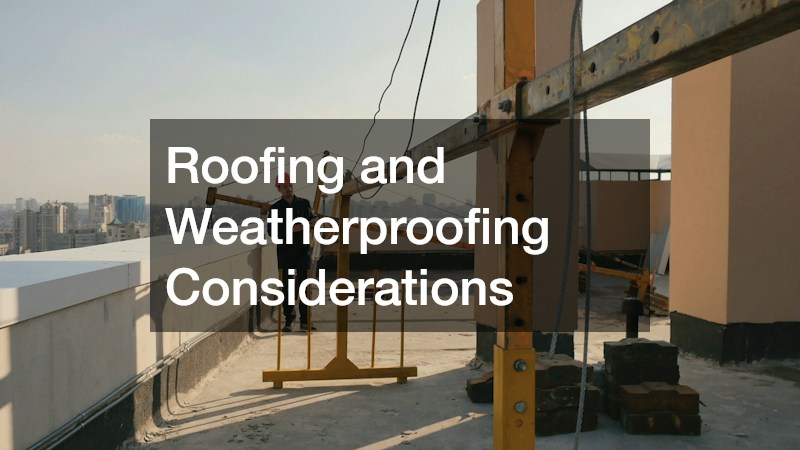
Any expansion that includes new construction eventually needs a roof, and this is another area where costs can balloon if not planned carefully. Roofing contractors often identify additional structural needs once they’re on site, such as reinforced supports for heavier materials or extra flashing for complex rooflines. These discoveries happen during the bid process or early construction, and they’re rarely reflected in the initial ballpark estimate a property owner receives.
Getting a detailed, itemized quote from roofing contractors before construction begins helps avoid the sticker shock that comes with mid-project change orders. Weatherproofing costs in particular tend to be underestimated, especially for larger commercial roofs where a small design change can significantly affect material needs.
- Structural reinforcement discovered mid-project
- Flashing and weatherproofing for complex roof designs
- Material upgrades for regional weather demands
- Timeline delays caused by weather during installation
Marketing and Presentation Costs Tied to Expansion
Not every hidden cost is underground or structural; some show up in the business side of an expansion, like preparing to showcase the new space to customers, investors, or industry partners. A custom trade show booth is a common example, since businesses expanding into new markets often need updated displays to represent the new location or product line at industry events. This cost is easy to overlook because it feels separate from construction, but it’s frequently tied directly to the expansion timeline.
Budgeting for this alongside physical construction ensures the business is ready to promote its new space the moment it opens. Waiting until after construction wraps up to think about presentation materials often means rushing the order and paying premium prices for fast turnaround.
- Design and fabrication lead times for new displays
- Shipping and setup costs for industry events
- Coordinating launch timing with construction completion
- Updated branding materials to match the new location
Conclusion
Site preparation costs rarely show up as a single line item, which is exactly why they’re so easy to underestimate when planning a business expansion. From grading and utility testing to temporary structures and climate control, each phase carries its own set of hidden expenses that can strain even a carefully planned budget. The best defense is asking detailed questions early, getting itemized quotes for every phase, and building in a contingency fund for the surprises that almost always surface once work begins. Taking this approach protects both your timeline and your bottom line as your expansion moves from paper to reality.