Moving, storing, and maintaining vehicles and equipment requires more than just a basic understanding of transportation. Whether you’re dealing with personal vehicles, recreational equipment, or commercial assets, having the right solutions in place can save time, reduce costs, and prevent damage. From selecting the best hauling methods to choosing reliable service providers, this guide walks through everything you need to know to manage vehicles efficiently and safely.
Understanding Modern Vehicle Transport Options
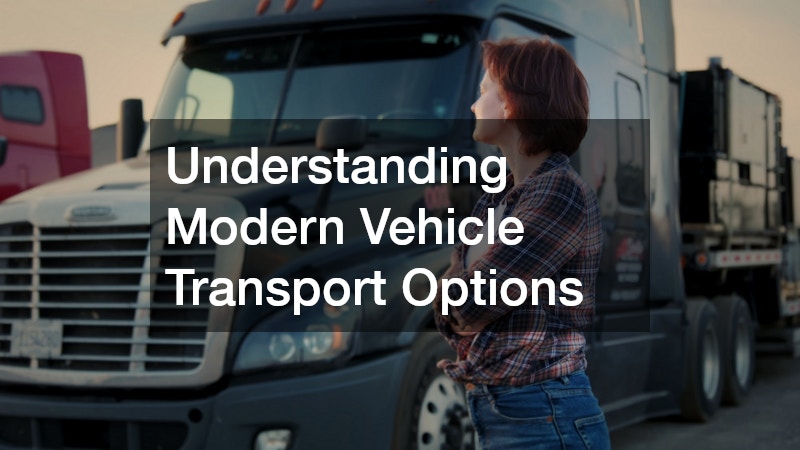
Transporting vehicles today involves a variety of specialized methods designed to accommodate different sizes, weights, and purposes. The right choice depends on what you’re moving, how far it needs to go, and the level of protection required.
For example, truck transport is commonly used for moving vehicles over long distances, especially when efficiency and scalability are priorities. Businesses often rely on this method to relocate fleets or deliver vehicles to customers. It provides a streamlined solution for moving multiple units at once.
For smaller-scale or more controlled transport, enclosed trailers offer a higher level of protection. These are ideal for valuable or delicate vehicles, shielding them from weather conditions, road debris, and theft. Many owners of classic or high-end vehicles prefer this option for peace of mind.
On the other hand, box trucks are widely used for transporting goods and smaller equipment. Their enclosed design helps keep items secure while offering flexibility for various types of cargo. They are especially useful for businesses handling deliveries or relocations.
Choosing the Right Transport Method for Different Vehicles
Not all vehicles are created equal, and each type requires specific handling during transport. Understanding these differences helps ensure safety and efficiency.
Motorcycles, for instance, need careful securing to prevent tipping or shifting during transit. Specialized equipment or properly outfitted trailers are essential to keep them stable. Even minor movement can lead to damage, so proper tie-down techniques are critical.
Similarly, vehicles purchased from an atv dealer often require tailored transport solutions. ATVs are designed for rugged terrain, but they still need protection during transit to avoid unnecessary wear or damage. Depending on the distance and conditions, they may be transported using trailers or loaded into trucks.
Larger recreational vehicles may require more planning. While they can sometimes be driven to their destination, transport services may be necessary for long-distance moves or when multiple units are involved.
Emergency Recovery and Roadside Assistance
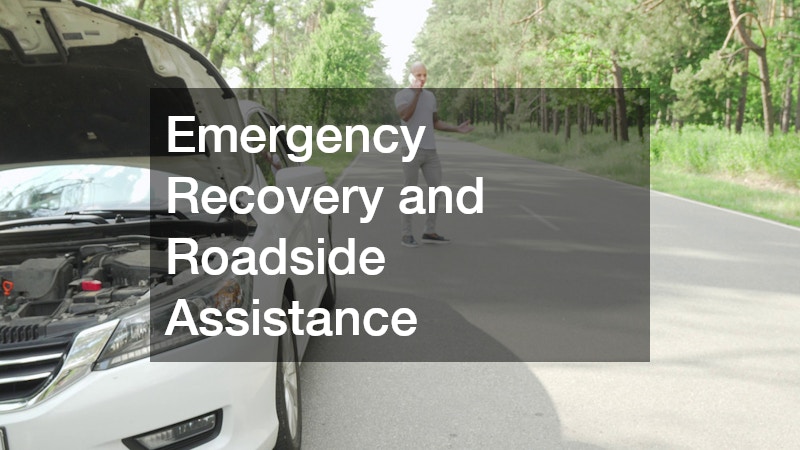
No matter how well you plan, unexpected breakdowns can occur. This is where reliable recovery services become essential. Even with regular maintenance and careful driving, vehicles are still subject to wear and tear, unpredictable road conditions, and mechanical failures. A sudden issue can leave drivers stranded in inconvenient or even dangerous locations, making it critical to have a plan in place before a problem arises. Whether you’re commuting locally or traveling across state lines, knowing who to call in an emergency can significantly reduce stress and uncertainty.
Tow trucks play a critical role in getting vehicles off the road safely and transporting them to a repair facility. Whether it’s a flat tire, engine failure, or accident, these services help prevent further damage and keep traffic flowing smoothly. Professional operators are trained to handle a wide range of vehicles, from compact cars to larger trucks and equipment, ensuring that each is transported securely. Different types of towing methods, such as flatbed towing or wheel-lift systems, are used depending on the situation to minimize strain on the vehicle. This level of care is especially important when dealing with newer models or specialty vehicles that require extra attention.
Having access to dependable towing services is especially important for businesses managing fleets or individuals traveling long distances. Quick response times and proper handling can make a significant difference in minimizing downtime and repair costs. For businesses, delays can impact schedules, customer satisfaction, and overall productivity, so partnering with a reliable provider is a smart investment. Many towing companies also offer additional roadside assistance services, such as jump-starts, fuel delivery, and lockout support, providing a more comprehensive safety net.
Additionally, modern towing services often incorporate GPS tracking and real-time updates, allowing customers to know exactly when help will arrive. This level of transparency improves the overall experience and helps drivers feel more secure during stressful situations. By planning ahead and keeping contact information for trusted providers readily available, both individuals and businesses can handle unexpected breakdowns more efficiently and get back on the road with minimal disruption.
Maintenance and Repair Considerations
Keeping vehicles in good working condition is key to avoiding costly breakdowns and ensuring long-term performance. Regular maintenance not only improves reliability but also enhances safety, fuel efficiency, and overall driving experience. Neglecting routine upkeep can lead to small issues escalating into major mechanical failures, often resulting in higher repair costs and unexpected downtime. Simple tasks such as oil changes, tire rotations, and brake inspections play a significant role in extending the lifespan of any vehicle, whether it’s used for personal transportation or commercial purposes.
A reputable car repair shop provides essential services such as diagnostics, routine maintenance, and major repairs. Modern repair facilities are equipped with advanced tools and technology that allow technicians to accurately identify problems and recommend effective solutions. From engine diagnostics to transmission repairs, having access to skilled professionals ensures that vehicles are serviced correctly the first time. Regular check-ups can identify potential issues before they become serious problems, saving both time and money. Preventative maintenance schedules also help vehicle owners stay organized and avoid missing critical service intervals that could impact performance.
Beyond basic services, many repair providers offer specialized care tailored to specific vehicle types, including diesel engines, hybrid systems, and high-performance vehicles. This level of expertise is especially valuable for owners who rely on their vehicles daily or operate in demanding conditions. Keeping detailed service records can also improve resale value, as it demonstrates consistent care and proper maintenance over time.
For businesses, maintaining a relationship with a trusted repair provider is crucial. It ensures that vehicles are serviced promptly and returned to operation as quickly as possible. Downtime can directly impact productivity and revenue, so having a dependable partner helps minimize disruptions. Many repair shops offer priority scheduling or fleet maintenance programs designed to keep multiple vehicles running efficiently.
For individuals, it offers peace of mind knowing that expert help is readily available. Instead of scrambling to find assistance during a breakdown, having an established relationship with a repair shop means faster service and more reliable results. Over time, this trust builds confidence that your vehicle is in capable hands, allowing you to focus on the road ahead rather than potential problems.
Storage Solutions for Vehicles and Equipment
Storage is another important factor when managing vehicles, especially for those not in constant use. Leaving vehicles exposed to the elements for extended periods can lead to issues such as rust, battery drainage, tire degradation, and interior damage. Proper storage helps preserve both the appearance and functionality of vehicles, reducing the likelihood of costly repairs when they are needed again. Whether for personal or business use, having a reliable storage plan in place is essential for protecting your investment.
An RV park can serve as a convenient storage option for recreational vehicles. These locations often provide secure spaces, utilities, and easy access for when you’re ready to travel again. Many facilities offer features such as gated access, surveillance, and designated parking spots that accommodate larger vehicles. They are particularly useful for seasonal storage or long-term parking, allowing owners to keep their RVs in a safe environment without taking up space at home. Some locations even provide maintenance amenities like dump stations or electrical hookups, making it easier to keep vehicles in good condition during storage.
For other types of vehicles and equipment, dedicated storage facilities or covered areas may be more appropriate. Climate-controlled storage units can be especially beneficial for protecting sensitive components from extreme temperatures and humidity. This is important for preserving engines, electronics, and interior materials. Covered storage options, such as carports or garages, offer protection from sun exposure, rain, and snow while still allowing for convenient access.
In addition to choosing the right location, proper preparation before storage is key. This includes cleaning the vehicle, topping off fluids, disconnecting the battery if necessary, and using protective coverings. Taking these steps ensures that vehicles remain in optimal condition and are ready for use whenever they are needed.
Protecting Your Investment During Transport
Ensuring that vehicles and equipment arrive in the same condition they left is a top priority. Protective measures can significantly reduce the risk of damage. During transport, vehicles are exposed to a variety of hazards, including weather conditions, road debris, shifting loads, and sudden stops. Without proper precautions, even minor incidents can lead to scratches, dents, or more serious mechanical issues. Taking the time to plan for protection not only preserves the value of the asset but also minimizes the need for repairs upon arrival.
Using truck bed covers is one effective way to safeguard cargo from weather and debris during transport. These covers provide an additional layer of protection, especially for items carried in open truck beds. Rain, snow, and prolonged sun exposure can all cause damage over time, particularly to sensitive materials or equipment. A well-fitted cover helps keep cargo dry and shielded from UV rays while also reducing the risk of items being displaced by wind. In addition, covers can offer a level of security by keeping contents out of sight, which helps deter theft during transit or when parked.
For high-value or sensitive equipment, choosing enclosed transport options adds another level of security. Combined with proper loading techniques, these measures help maintain the integrity of your assets throughout the journey. Securing items with straps, padding, and anchors ensures that they remain stable, even on uneven roads or during long-distance travel. It’s also important to distribute weight evenly to prevent strain on the vehicle and reduce the likelihood of shifting during transit.
In more advanced transport scenarios, additional protective steps may be taken, such as using custom-fit covers, shock-absorbing materials, or climate-controlled environments. These options are especially beneficial for delicate machinery, electronics, or specialty vehicles that require extra care. Regularly inspecting equipment before and after transport also helps identify any potential issues early, allowing for quick resolution. By combining the right protective tools with careful planning and handling, you can significantly improve the safety and reliability of any transport operation.
Equipment for Efficient Loading and Unloading
Handling heavy vehicles and equipment requires the right tools and techniques. Efficient loading and unloading not only save time but also reduce the risk of injury and damage.
A forklift is commonly used in logistics and transport operations to move heavy items safely. It allows operators to lift and position cargo with precision, making it an essential tool for many businesses.
Proper training and adherence to safety protocols are crucial when using such equipment. Ensuring that operators are skilled and that equipment is well-maintained helps prevent accidents and keeps operations running smoothly.
Integrating Transport, Storage, and Service
The most effective approach to managing vehicles involves integrating transport, storage, and service solutions into a cohesive system.
For example, a business might use truck transport to move vehicles, rely on a car repair shop for maintenance, and utilize secure storage facilities for inventory. By coordinating these elements, they can streamline operations and reduce inefficiencies.
Individuals can benefit from a similar approach. Planning ahead for transport, identifying reliable service providers, and choosing appropriate storage options can make vehicle ownership more convenient and cost-effective.
Tips for Selecting Reliable Providers
Choosing the right partners for transport, storage, and service is critical to achieving the best results.
Start by researching providers with strong reputations and positive customer reviews. Look for companies that specialize in the type of service you need, whether it’s transport, repair, or storage.
It’s also important to verify credentials, insurance coverage, and experience. Reliable providers should be transparent about their processes and willing to answer questions about how they handle vehicles and equipment.
Finally, consider communication and customer support. A provider that keeps you informed and responds promptly to inquiries can make the entire process smoother and more predictable.
Planning for Long-Term Efficiency
Long-term success in managing vehicles comes down to planning and consistency. Regular maintenance, proper storage, and efficient transport strategies all contribute to better outcomes.
By investing in quality solutions and working with trusted providers, you can extend the lifespan of your vehicles, reduce unexpected costs, and improve overall reliability.
Whether you’re managing a fleet, maintaining recreational vehicles, or simply transporting equipment, taking a proactive approach ensures that everything runs smoothly.
Final Thoughts
Vehicle transport, storage, and service solutions are interconnected aspects of responsible ownership and efficient operations. By understanding the available options and making informed decisions, you can protect your investments and achieve better results.
From selecting the right transport methods to maintaining vehicles and choosing secure storage, every step plays a role in ensuring success. With the right strategies in place, managing vehicles and equipment becomes a streamlined and stress-free process.