

The transition from a neighborhood healthcare provider to a thriving, growth-oriented practice doesn’t happen by chance. For dental professionals, success is shaped not only by clinical skill but also by thoughtful planning and strategic positioning. A well-selected location can strengthen brand visibility, attract steady patient traffic, and support operational efficiency. When a practice is placed in the right environment, it becomes easier to build recognition, establish credibility, and compete effectively within the broader healthcare market. Location strategy is not simply about finding available space; it’s about aligning geography with long-term business objectives.
A smart approach to site selection considers both current needs and future expansion. Traffic patterns, surrounding businesses, population growth, zoning regulations, and accessibility all contribute to whether a property will serve a practice well over time. Growth-minded professionals evaluate not just what a space offers today, but what the surrounding community may look like in five or ten years.

Choosing High-Visibility Commercial Locations
Selecting a high-visibility site is one of the most influential decisions a practice owner can make. Properties situated along busy commercial corridors naturally generate awareness through consistent daily exposure. Even individuals who are not actively searching for care may become familiar with a practice simply by seeing it during their commute or while running errands. Over time, this repeated visibility builds brand recognition and strengthens community presence. In competitive healthcare markets, awareness often translates into inquiries, consultations, and steady appointment growth.
When evaluating potential sites for dental offices, it’s important to look beyond basic traffic counts. Clear sightlines from major intersections, strong signage opportunities, and convenient entry and exit points all contribute to patient convenience. Proximity to grocery stores, retail centers, and other high-frequency destinations can increase incidental exposure. At the same time, understanding local zoning restrictions and signage regulations helps prevent costly adjustments after purchase or lease agreements are signed. A visible location should not only attract attention but also support smooth navigation and a positive first impression for patients arriving at the property.
Analyzing Demographics and Patient Demand
A thriving practice depends on a consistent and sustainable patient base, which makes demographic research a critical step in site selection. Population density, household income, age distribution, and family composition all influence demand for healthcare services. Communities experiencing residential growth, new housing developments, or expanding commercial activity often present strong long-term opportunities. By studying these patterns, practice owners can better understand whether an area is positioned to support steady growth.
For a dentist, analyzing patient demand also involves examining competitive saturation and identifying service gaps within a defined radius. Reviewing how many similar providers operate nearby can reveal whether the market is underserved or overcrowded. In addition, evaluating nearby schools, daycare centers, retirement communities, and large employers may highlight specialized treatment opportunities. Public planning documents and local development proposals can offer valuable insight into future population shifts. When demographic analysis is paired with strategic forecasting, practice owners can select locations that align with their service offerings and long-term business goals.
Partnering With a Qualified Commercial Realtor
Selecting the right property requires more than browsing listings online. Commercial real estate involves negotiation strategies, zoning considerations, lease structures, and long-term financial forecasting. A knowledgeable commercial realtor can provide insight into market trends, property valuations, and upcoming developments that may not yet be publicly visible. Their expertise helps practice owners avoid costly missteps while identifying properties that align with both clinical needs and financial goals. Instead of reacting to limited inventory, professionals who collaborate with experienced advisors gain access to a broader range of opportunities and stronger negotiating leverage.
When a dentist works with a commercial realtor, the process becomes significantly more strategic. Beyond identifying suitable square footage, the realtor can evaluate traffic flow data, demographic reports, and comparative property values within a defined radius. They can also assist in negotiating tenant improvement allowances, lease terms, or purchase agreements that support long-term flexibility. In competitive markets, timing and positioning can make a substantial difference, and having a skilled advocate ensures that offers are structured effectively. By combining clinical vision with real estate expertise, practice owners can secure locations that support patient growth while protecting financial stability.
Evaluating Accessibility and Parking Availability
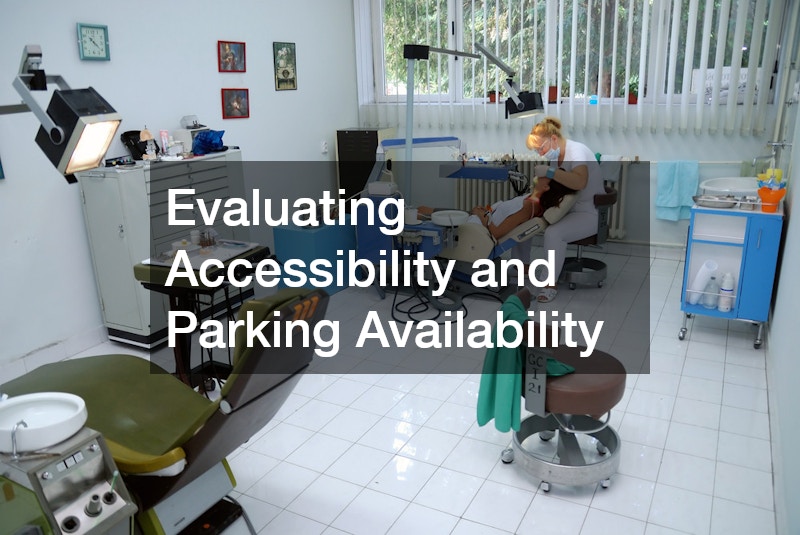
Accessibility is a foundational component of any successful healthcare location. Patients prioritize convenience, and even a highly visible property can struggle if it is difficult to enter or exit. Traffic congestion, confusing access roads, or limited parking can create frustration before a patient even steps inside. Evaluating how easily individuals can reach the building, park their vehicles, and move through the surrounding area is essential for maintaining steady appointment flow. A well-positioned property supports both operational efficiency and positive patient experiences.
To make the best use of your land, it’s important to consider how the site layout contributes to overall accessibility. Adequate parking ratios, clearly marked entrances, ADA-compliant walkways, and logical traffic circulation patterns all influence daily functionality. Properties near major roadways may offer excellent visibility but require thoughtful planning to manage safe entry points. Additionally, future growth should be factored into the parking design to avoid capacity issues as patient volume increases. By carefully evaluating accessibility and parking availability, practice owners can reduce logistical challenges and create an environment that feels convenient and welcoming from the very first visit.
Comparing Standalone Buildings and Medical Complexes
Choosing between a standalone property and a shared medical complex is a strategic decision that impacts branding, patient perception, and operational flexibility. Standalone buildings often provide greater control over exterior design, signage, and expansion potential. They can establish a strong independent identity within the community and offer flexibility for future renovations. On the other hand, medical complexes may provide built-in referral networks, shared amenities, and lower initial development costs. Each option presents distinct advantages depending on a practice’s growth stage and long-term vision.
For a local doctor transitioning into a more growth-focused model, this comparison becomes particularly important. A standalone facility may allow for customized layouts and greater long-term equity, while a medical complex can offer immediate proximity to complementary providers and built-in patient traffic. Lease structures, maintenance responsibilities, and shared service agreements should also be evaluated carefully. Additionally, analyzing how each setting aligns with brand positioning and target demographics can clarify the best fit. By weighing autonomy against collaboration, practice owners can select an environment that supports both operational goals and community presence.
Planning Efficient Layouts Through Medical Construction
The physical layout of a practice directly influences workflow efficiency, patient comfort, and long-term adaptability. Thoughtful space planning supports smooth movement between reception areas, operatories, sterilization zones, and administrative offices. When layout decisions are made strategically, they reduce bottlenecks, enhance privacy, and improve overall productivity. Efficient design also contributes to a more positive patient experience by minimizing wait times and creating a comfortable, organized environment. As practices grow, flexibility in layout becomes increasingly important to accommodate new equipment, additional staff, or expanded services.
In the context of medical construction, layout planning must account for building codes, health regulations, plumbing infrastructure, electrical capacity, and specialized ventilation systems. Operatories require precise utility placement, while sterilization areas demand strict compliance with safety standards. Working closely with architects and contractors who understand healthcare-specific requirements can prevent costly redesigns later. Strategic placement of treatment rooms, consultation areas, and imaging equipment can also increase daily capacity without expanding square footage. By aligning design decisions with clinical operations and growth projections, practice owners can create spaces that support efficiency today while remaining adaptable for tomorrow.
Maximizing Land Use for Future Expansion
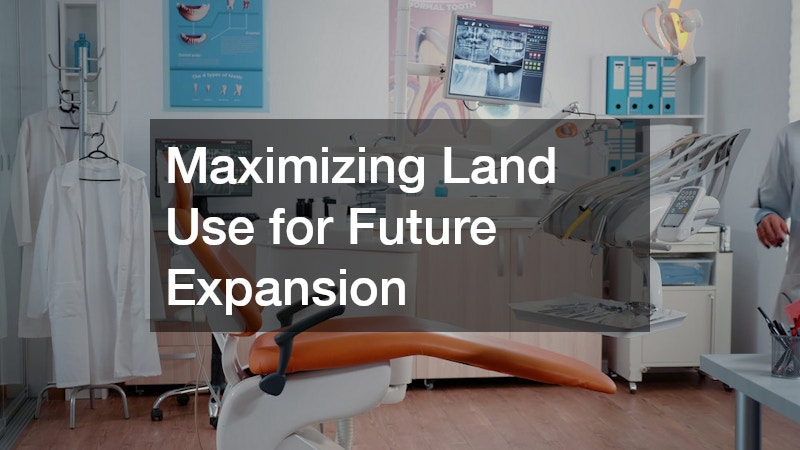
Selecting a property with long-term growth in mind allows a practice to evolve without relocating prematurely. Even if current operations require only a portion of the available space, planning for future expansion protects against disruptive moves later. Land use strategy should consider how surrounding development may affect traffic patterns, property value, and access points over time. A forward-looking approach positions a practice to respond confidently to increased patient demand and service diversification.
When evaluating a site, practice owners should consider how to make the best use of your land without compromising flexibility. This may involve reserving space for additional treatment rooms, future building additions, or expanded parking capacity. Zoning restrictions, setback requirements, and local development ordinances should be reviewed carefully to confirm expansion potential. Properties located near growing residential communities or expanding commercial centers may offer especially strong long-term advantages. By planning beyond immediate needs, a practice can scale operations smoothly while maintaining continuity of care and brand stability within the community.
Positioning Near Complementary Healthcare Services
Strategic proximity to other healthcare providers can strengthen visibility and encourage referral opportunities. Clustering near pharmacies, urgent care centers, specialty clinics, and even service providers such as a bathroom remodeler serving commercial properties can increase overall foot traffic and reinforce credibility within the broader professional community. Patients and clients often prefer destinations where multiple needs can be addressed within a single area. Being situated among respected businesses creates a perception of stability, accessibility, and professionalism that supports steady growth.
Locating near a walk in clinic, for example, may generate incidental awareness among patients seeking immediate care for other concerns. While services may differ, shared proximity can create indirect referral pathways and brand familiarity over time. Evaluating how neighboring businesses complement or compete with a practice is essential before finalizing a site. Additionally, considering how signage, shared parking, and cross-traffic influence daily flow can help optimize positioning within a multi-tenant environment. By thoughtfully selecting a location within a well-balanced commercial ecosystem, practice owners can strengthen community integration and long-term sustainability.
Investing in Modern Infrastructure and HVAC Systems
A practice’s infrastructure plays a critical role in patient comfort, operational efficiency, and long-term cost control. Modern systems support air quality, temperature consistency, energy efficiency, and equipment performance. While location and layout often receive the most attention during site selection, mechanical systems and building upgrades can significantly influence daily operations. Patients may not consciously evaluate HVAC performance, but they quickly notice inconsistent temperatures, poor ventilation, or uncomfortable waiting areas. Investing in updated systems contributes to a more professional and welcoming environment.
Installing a ductless heat pump, for instance, can provide zoned temperature control that allows operatories, reception areas, and administrative spaces to maintain independent comfort settings. This flexibility improves energy efficiency while reducing strain on centralized systems. Additionally, modern infrastructure upgrades may include improved insulation, advanced air filtration, and smart climate controls that support both sustainability and patient well-being. As practices expand and add new technology, electrical capacity and ventilation requirements must also be evaluated carefully. By prioritizing infrastructure improvements early, practice owners can create a stable operational foundation that supports growth without unexpected mechanical limitations.

Aligning Location Strategy With Long-Term Growth Goals
Sustainable growth requires more than a well-placed building; it demands alignment between location strategy and overall business objectives. Every decision related to property selection, layout, and expansion should reflect the practice’s vision for the future. Whether the goal is to increase patient volume, introduce new specialties, or eventually open additional locations, the physical site must support those ambitions. Strategic planning reduces the risk of outgrowing a property too quickly or investing in a space that limits long-term flexibility.
Even details such as branding, interior presentation, and staff workwear contribute to how the practice is perceived within the community. A cohesive image supported by a thoughtfully selected location reinforces professionalism and trust. Evaluating lease terms, property ownership opportunities, and nearby development trends can further clarify whether a site aligns with five- or ten-year projections. When location strategy is integrated into broader business planning, growth becomes intentional rather than reactive. This alignment empowers practice owners to build steadily while maintaining control over operational direction and brand identity.
Transforming a small practice into a thriving presence within the community requires careful planning, informed decision-making, and a long-term perspective. Location strategy stands at the center of this evolution. From selecting high-visibility properties to analyzing demographic data and evaluating infrastructure, each step influences how effectively a practice can attract and retain patients. A well-chosen site does more than house equipment and treatment rooms; it shapes the patient experience, reinforces credibility, and supports operational efficiency.
Growth-minded practice owners understand that strategic placement is not a one-time decision but an ongoing component of business planning.